Blog

How to Read a Project Page
The project page presents the opportunity clearly and precisely so that you can invest with full transparency and make an informed decision. It is your main document and primary window into the investment. Here, we explain how the project page is structured at We Take Part, an european crowdfunding platform. First, you will find a project presentation video. A picture is worth a thousand words: it allows you to quickly understand the solution, how it works, and under what conditions it is implemented. You will also get a sense of the project leaders’ vision and better understand their challenges and needs.
In the Description section, we dive into the core of the project. This is where we answer the key questions that matter most for your investment:
- Reasons to invest in the project: First and foremost, it is essential to check the alignment between the nature of the project and your own interest in the proposed solution. This section highlights the project’s socio-economic and environmental added value, allowing you to quickly decide whether it resonates with you.
- The problem(s) addressed (intensive agriculture, food dependency, soil pollution, excessive energy consumption, etc.): Why is the project useful, and what real value does it bring in response to a clearly identified issue? Sustainable development and impact are measured by a project’s ability to solve a problem in a measurable way. At We Take Part, a project that does not address a clearly identified and quantified problem is not considered viable.
- The solutions provided: What concrete processes and methods are implemented to address these issues? This more technical section demonstrates the transparency and seriousness of the target company and helps you better visualize the final outcome.
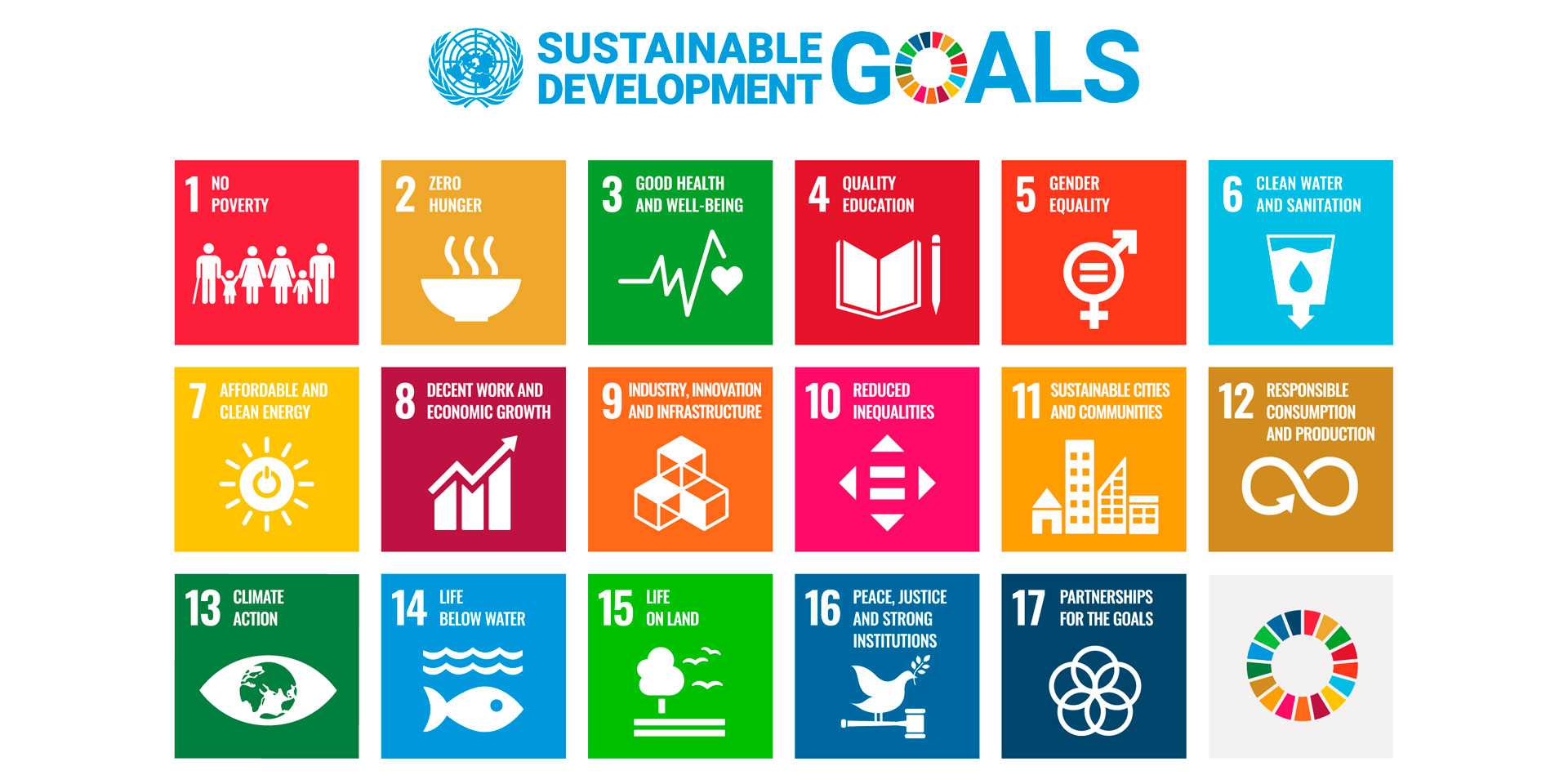
- Environmental impact: Which SDGs (Sustainable Development Goals) does the project contribute to? To ensure credibility and transparency, We Take Part displays the SDGs associated with each project, helping you understand at a glance how it aligns with United Nations objectives.
- The company’s business model: Forecast revenue, market and pricing strategies, main customers, etc. Since a company’s financial health is crucial to the success of a fundraising campaign, we present the key components here so you can quickly assess this aspect.
- Market trends and overview: Market structure, opportunities, competitiveness, and positioning of the project within its ecosystem. This section raises awareness of competitive risk and helps you better understand the environment in which the company operates.
- Traction and roadmap: Certifications, partnerships, infrastructure, and the company’s roadmap are presented here to give you a clearer view of the project’s long-term ambitions.
- Team presentation: Every project is driven by people. This section introduces the founders and key team members, their backgrounds, experience, and strengths.
The project page then goes into greater detail on financing aspects:
- Financial information: The company’s financial health, strengths, and five-year revenue forecasts.
- Use of funds: Allocation of the funds raised across different areas and financing already secured.
- The fundraising operation: Details and mechanics of the fundraising, the financial instruments issued, and the tax treatment of the investment.
- Risks related to the operation: Risks linked to the project and to the financial instruments.
The project page is therefore your primary tool for learning about a project and assessing its robustness. Concise yet comprehensive, it is essential to know how to read it to approach projects rationally. However, it is not the only key document. The KIIS (Key Investor Information Sheet) is another important source of information, which you can learn about in this article. At We Take Part, a crowd-equity platform, we strongly encourage responsible and informed investing. That is why we place a strong emphasis on transparency, both in our projects and in the tools provided to evaluate them. Reading the project page and regulatory documents allows you to invest in startups with greater security and transparency, within a regulated framework.
Investing in startups involves a risk of partial or total loss of the invested capital and a risk of illiquidity. Only invest what you can afford to lose.